Neo-Noir Case Study: The Dangerous Anti-Hero Of James Sallis’s Drive and Driven
*Will contain Spoilers.
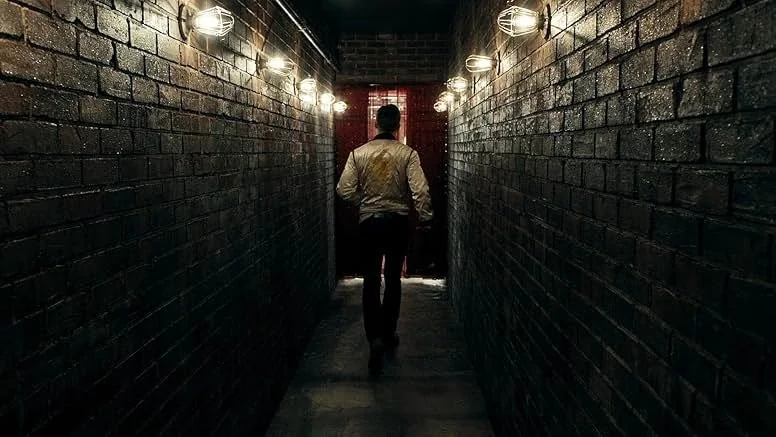
Driver: Image From IMDB
Introducing Driver
Driver for me is one of the all-time great anti-heroes of Neo-Noir. While I absolutely adore the film (it’s one of my favourites) I want to talk about the main character, Driver, in James Sallis’s two novella’s, Drive and Driven. They both feature the same main protagonist, Driver… and I already feel like I’ve written the word Drive to much.
Driver is a classic noir character, or even further back, a great western character. But let’s concentrate on his Neo-Noir sensibilities for this piece, although there is a lot of overlap. Driver is a loner, even when surrounded by people he’d somewhat consider friends. He’s someone who lives inside his own head and outside the rules of society. He’s dangerous, but isn’t someone who necessarily goes looking for trouble. If he’s out to get you, then you must have crossed the line at some point.
In Sallis’s superb novella’s we see a more chatty version of Driver than Gosling interpretation in Nicolas Winding Refn masterpiece. Someone who’s connected to more people. Less of a loner, but still a stoic enigma. We learn a little more about where he came from, but it’s just as difficult to piece together who he really is now. Is he someone looking for an easy life? Or does he relish the danger, even if he’s not looking for it? It certainly never seems far from him.
He’s a complex character who always seems to be running away from something, while facing it head on. It’s these myriad of contradictions that gives him that power on the page. We want to know what he’s thinking. What he’ll do next. And we know that anyone in his way is in deep shit. The odds never feel against him despite always being out numbered.
Driver is Unstoppable, A New Trait To Neo-Noir
In the classic sense of a Noir the odds always tilted against the protagonist. He normally started of somewhat cocky or confident, but then was eventually worn down by the double crossing. The relentless pursuit. The betrayal. It all lead to his inevitable downfall.
Driver on the other hand is powered by these events. Double crossing makes you the target, not him. Pursuing him makes him more dangerous. Betrayal will get you killed. He won’t be the one laying on the pavement dead at the end. Driver is battling and winning against the tropes that normally destroy the hero, while still being the anti-hero himself.
He’s someone on the move as well, as opposed to always being in the an apartment or office like our Noir heroes from the past. We see him constantly moving home, admitting that he carries everything he owns in a backpack. He’s ready to go at the drop off a hat.
All this means Driver lives a lifestyle more in keeping of an outlaw than any hard boiled detective, despite retaining those investigative attributes. He takes illegal jobs, but has rules about them. He kills, but doesn’t start the fight. Multiple times across the two books he waits for the attacker to be within reach and then strikes. He gives them ample opportunity to back out, it’s their own fault that they don’t.
There are even moments when they tell Driver what he wants to know so he lets them go, but he lets them go with the understanding that he will fucking end them if they try anything. And whenever they try something, they do end up dead.
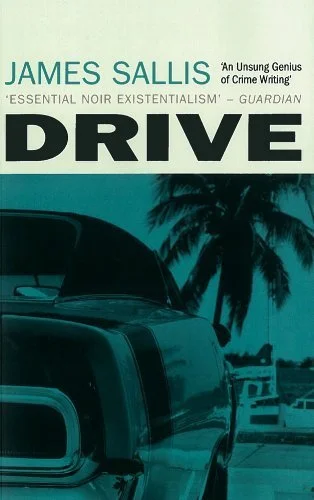
Drive by James Sallis
A Dangerous Hero
However, it isn’t the sudden bursts of violence that makes Driver such a dangerous character. Nor is it the fact that he takes the masculine qualities of Film-Noir to another level. He’s strong and brave, but also fearless, emphasised by his work as a stuntman and history in racing cars.
It’s his lack of emotion for me that really stands out on the page, and within the film too (Reminds me at times of Meursault in Albert Camus The Outsider/The Stranger) This is what makes him dangerous.
This lack of emotion is difficult to get a handle on too because his actions are emotional, just without the actual visual emotion or victimhood behind them. We’re never going to see him breakdown. Show regret. Plead for his life. We’ll just see his response. His actions. His dangerous and unrelenting nature.
In Driven when his girlfriend is killed he sets about avenging her death, but we hear little of his love for his fiancee. The moments where he reminisces about their relationship are few and far between. It’s almost haunting, especially when the plot is revealed and we find out why she died.
It’s hard to tell whether the man who ordered the kill succeeded. He wanted Driver to feel the pain he felt when losing his daughter, but did Driver feel that pain? We know he loved and respected his girlfriend from the conversation with her parents, but as a reader we want to see that emotion on the page… but Driver refused to show it. There’s something enigmatic about that. A dangerous and mysterious quality within a heroic figure that we struggle to relate to.
The Complexities of Driver
There’s something about the complicated nature of these sort of characters that makes them fascinating. They’re inhuman in a way, yet they’re they’re the ones we’re cheering on whether it’s Driver or John Wick. This macho nature complete with the lack of emotion or tears isn’t something we’re used to associating with heroes in Film Noir. It’s more mythology based. The heroes of old who could rampage through hell and survive the ordeal. It’s a more classic hero, but with a twisted dangerous edge rather than being completely virtuous. To survive a Neo-Noir you need that, and it’s why the old Film Noir anti-heroes failed. They lacked that edge.
The ones who fall apart at the hands of a Femme Fatale, a nefarious plot, or their own guilt, don’t survive. The heroes who now make it to the end are the ones who seem less like they give a fuck if they live or die. I get the impression Driver wouldn’t be too upset if he died, but he’s invincible.
Another interesting contradiction is that he’s actual capable of being present for other people. He lives in this lone-wolf isolated leave me the fuck alone state, but when he makes friends with his neighbour and her kid in Drive he looks out for them. He has a good relationship with the mother and kid. Forms a friendship of sorts with the husband after he’s released from prison. Looks after them when the husband dies.
Even when the mums killed and the kid is taken away to live elsewhere he still keeps in touch. But, when he losses touch, he doesn’t search for the kid. It’s like that chapter of his life is now over. We don’t ever see him mourn any of the deaths, or any of the losses he suffers despite knowing he did care about these people. That includes his own mum and Doc, to the family and his fiancee.
There’s always a detachment. So, is Driver just playing the role? Trying to pretend he’s a somewhat normal person? Or, is he great at compartmentalising?
All these qualities within Driver add up. They give him that Neo-Noir feel. A loner. A Man. Him against the world. Someone who will solve the mystery no matter what. Someone who can be extremely dangerous if you cross him. He’s an archetype of Neo-Noir, while also being the evolution of Film Noir and the old Crime Stories.
He’s this updated version that’s a lot more dangerous than his predecessors because there is room within Neo-Noir to push these characters further. Explore them deeper. Make them crueler if you must. Tap into the darkness that they regretted in Film Noir but don’t tend to in Neo Noir.
Driver is a dangerous anti-hero, but he’s someone who’s help you’d enlist in a heartbeat.
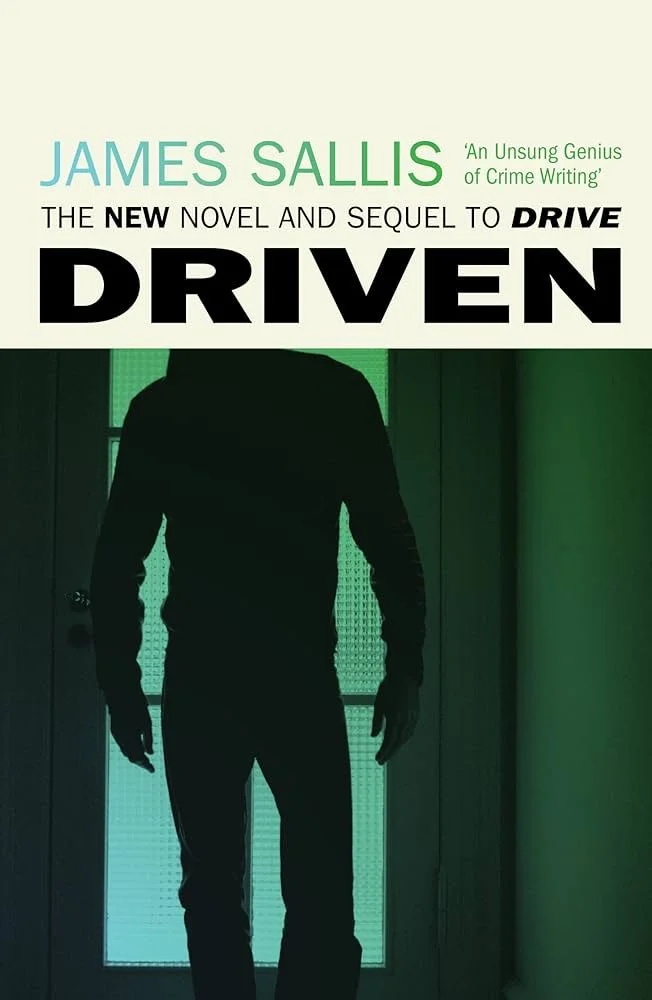
Driven by James Sallis